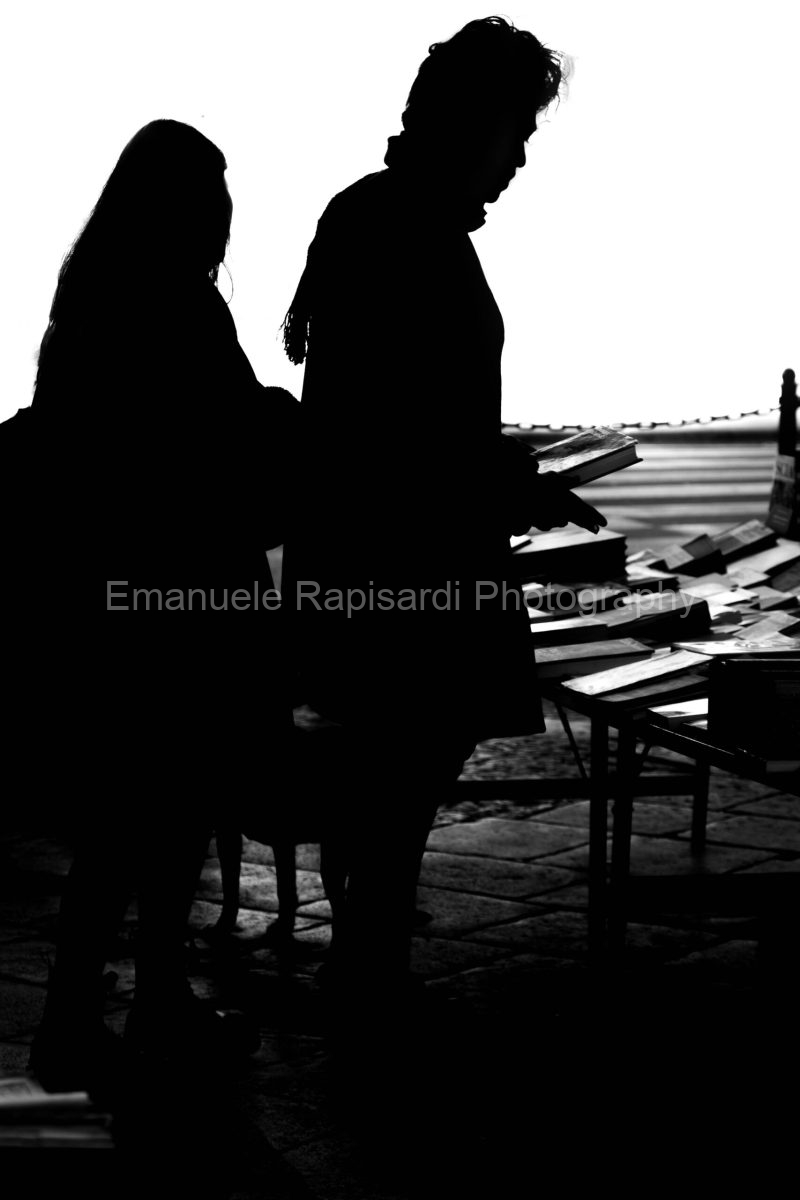
In the realm of shadows lies a captivating mystery, an elusive essence that manifests in shifting and suggestive forms. Its presence is both tangible and abstract, for shadow is not merely the absence of light, but also a bearer of profound meanings reflecting the very nature of human existence.
Consider the shadows of buildings, silent architectures that stand as witnesses to the passage of time. They project an intrinsic history, recounting bright days and dark nights, triumphs and defeats, hopes and fears. Each line, each angle of shadow encapsulates a narrative, a visual tale of humanity etched in the sweep of progress and memory.
Yet even more fascinating are the shadows of people, those shades that dance upon the ground as the sun paints the world with its golden light. Human shadows, symbols of the duality of existence, embody the reflection of our actions, thoughts, and deepest emotions. They remind us that each individual is composed not only of their visible essence but also of an inner shadow, a dark side that we often prefer to conceal from the world.
The shadows of people and buildings are thus metaphors for human complexity, for the myriad facets that characterize the human soul and social fabric. They teach us that, just as there is no light without shadow, there is no completeness without acknowledging and understanding our own darkness.
In a world often dominated by the pursuit of enlightenment and perfection, it is important to embrace the shadows as well, for they lend depth and meaning to our existence. Only by accepting and integrating our shadows can we truly hope to illuminate the path to knowledge and wisdom.